
AI agents in Ottawa: next up, July 23 — and August 27
Our first Ottawa AI agent builders’ dinner is done — a small table, a great conversation. Here’s where and when the next two happen.
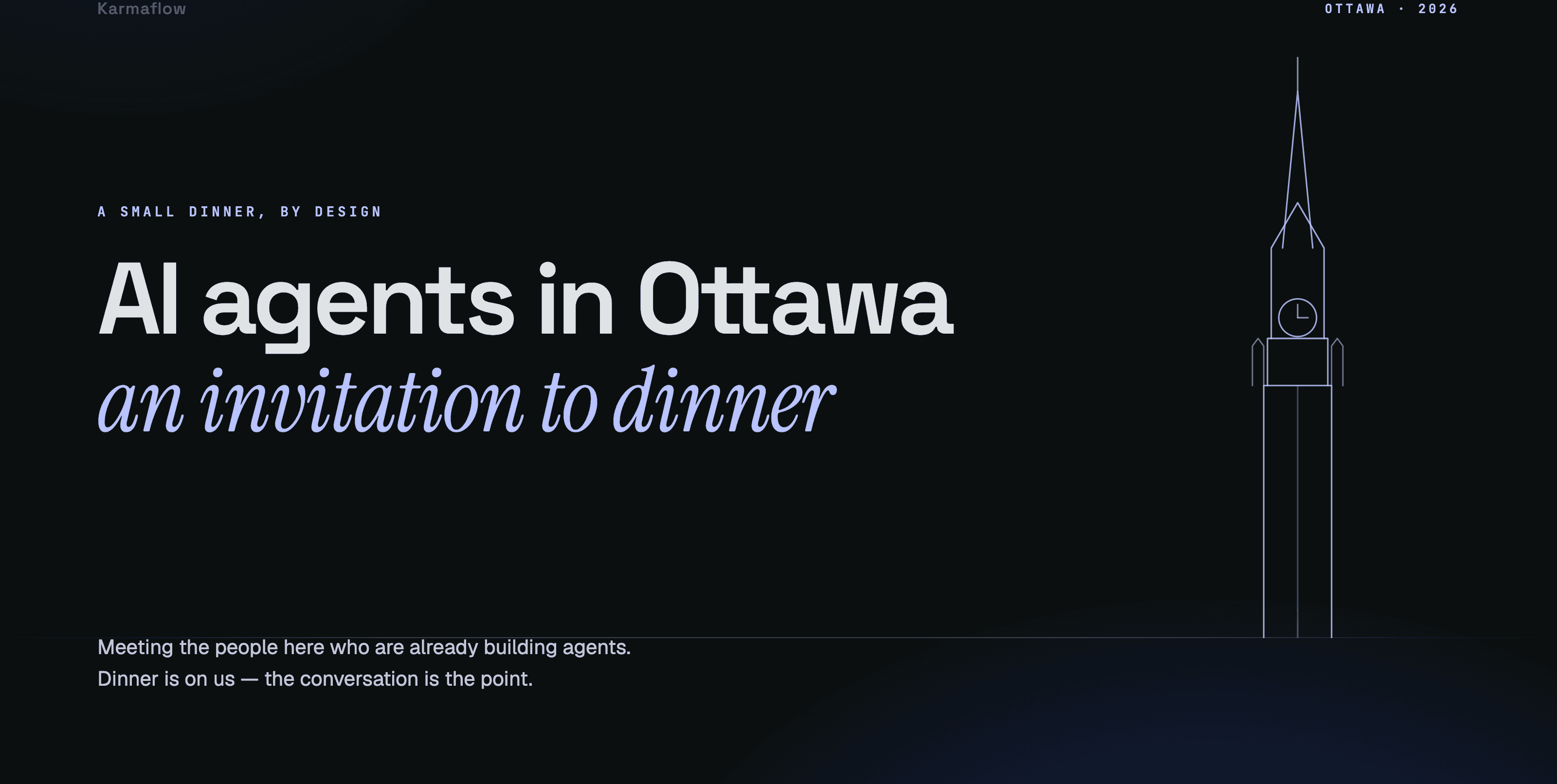
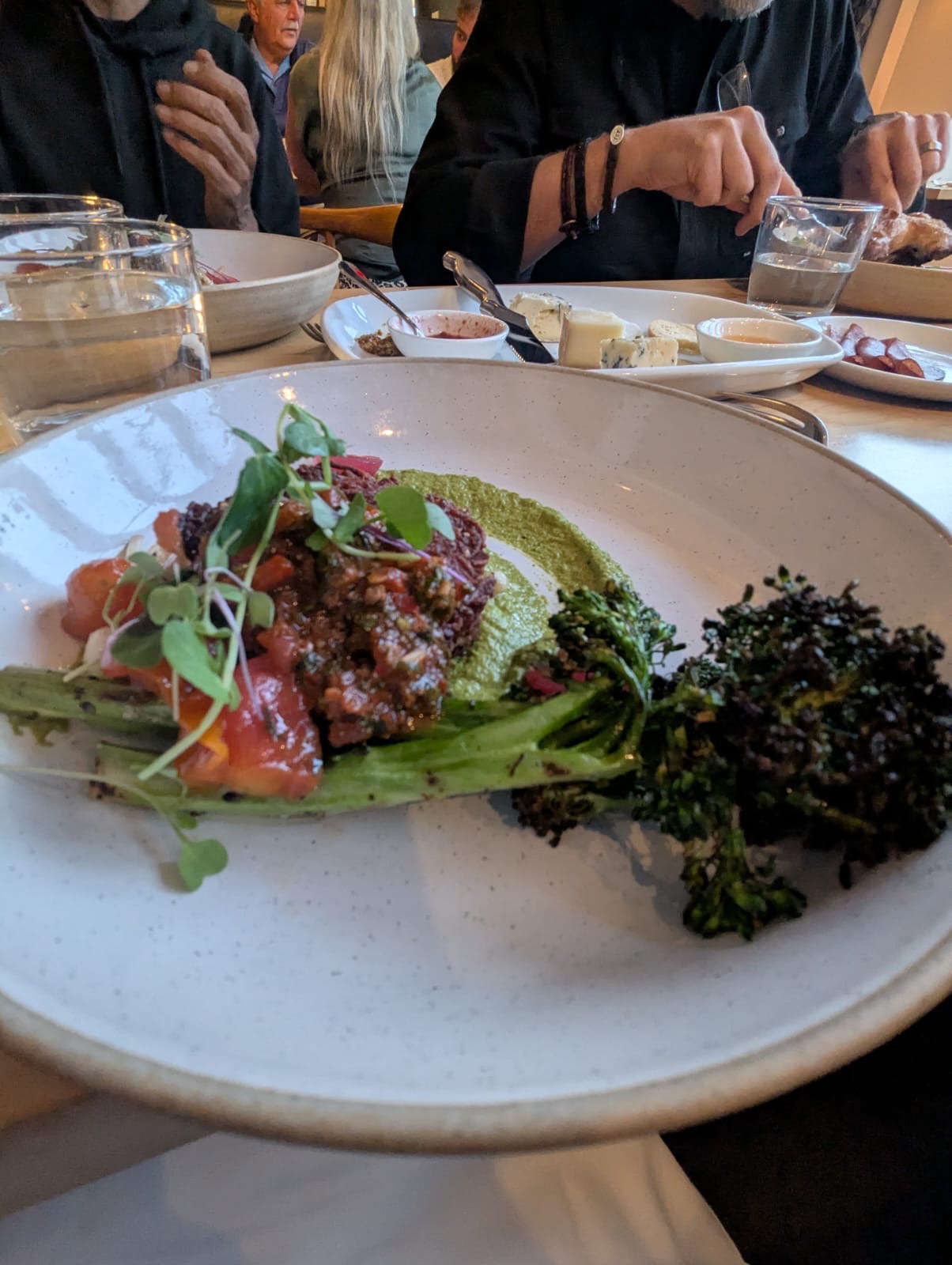
On Thursday, July 9, we sat down with the first table of Ottawa AI agent builders — a small, focused group, and genuinely one of the best conversations we have had this year. No pitches, no slides, just people who have actually shipped agents into production comparing notes on what works, what breaks, and what surprised them. Exactly what we hoped for.
We are doing it again — twice.
Save the date: Thursday, July 23
Thursday, July 23 · 7:00 PM ET
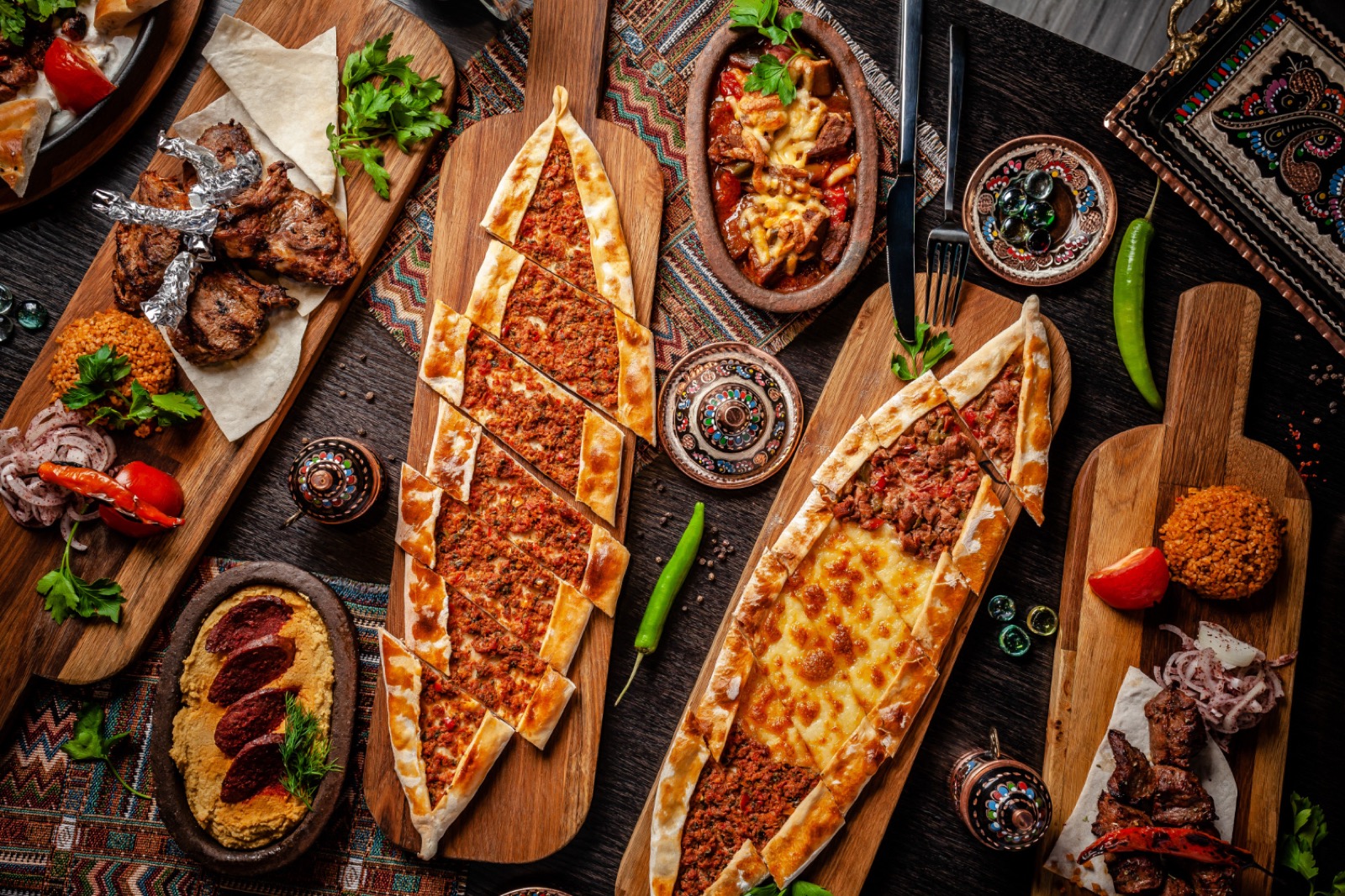
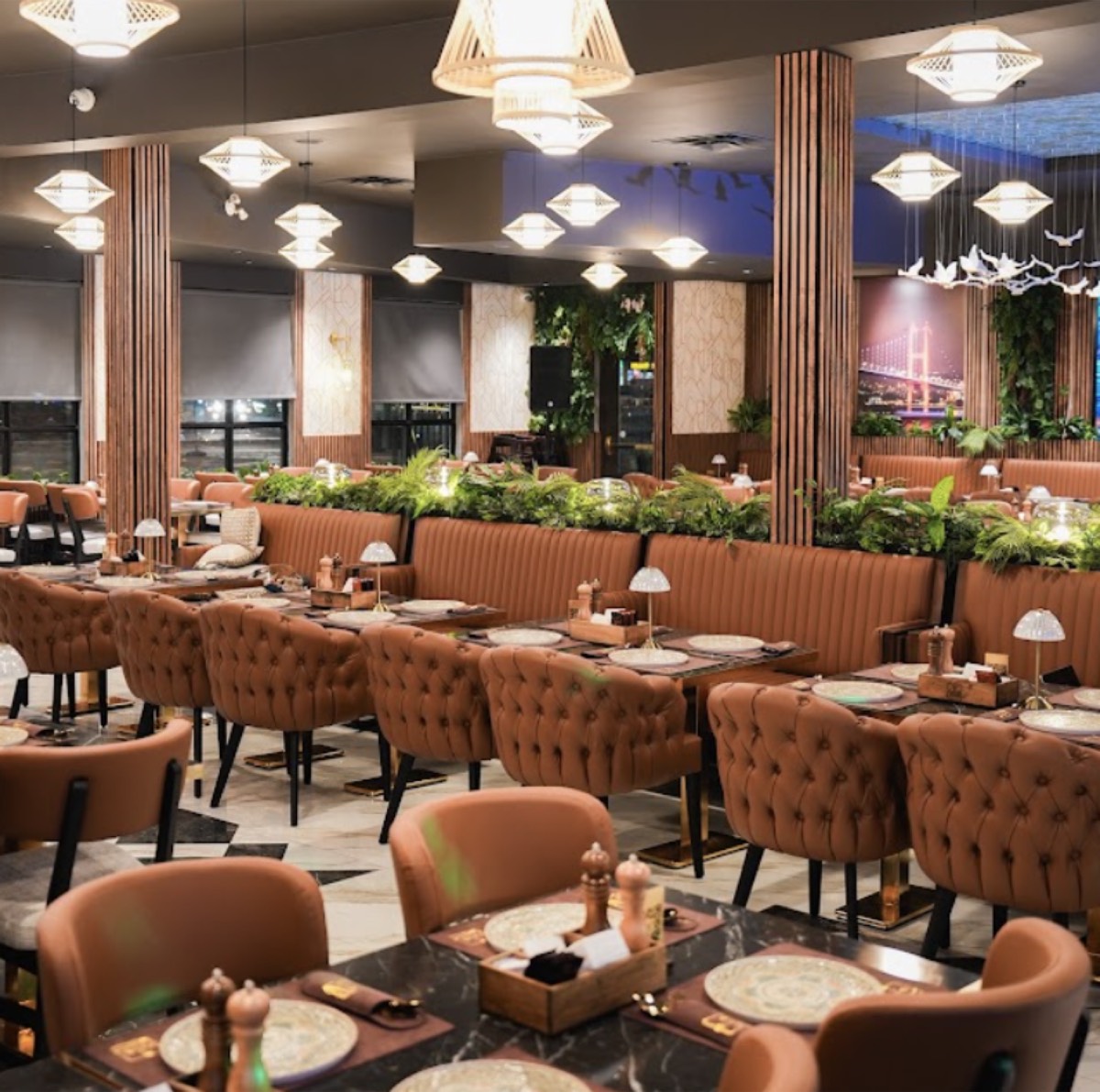
Agha Turkish Restaurant
1 Roydon Pl, Ottawa, ON K2E 1A3
And mark your calendar: Thursday, August 27
Thursday, August 27 · 7:00 PM ET
Venue: to be confirmed — we will send it to everyone who requests a seat.
Note the date change: the second dinner has moved from its original placeholder of August 20 to Thursday, August 27. If you already flagged the 20th, please re-check your calendar.
Who we would like to meet
If you are building on the OpenAI Agents SDK, Google ADK, LangGraph, n8n, custom orchestration, or your own stack, we would like to talk to you. Especially if you are past the first prototype and thinking about how agents become useful in real work.
What the evening is
Just a good meal and a thoughtful conversation with people building agents for real-world use cases. Both dinners are small by design. Tell us a little about what you are building, and if it feels like the right fit, we will send you the details.
What actually came up at the table
No agenda, no slides — but five themes kept resurfacing on July 9, unprompted, from different people at the table. That is usually a better signal of where the real frontier is than any roadmap slide, so here is a flavour of what we argued about over dinner:
Compounding intelligence. The best agent deployments were not the ones with the cleverest single prompt — they were the ones where every conversation made the next conversation smarter. Patterns detected once get reused everywhere, and the system as a whole gets sharper with use instead of staying static. That is the whole premise behind what we call a living intelligence layer, and it is clearly not just our thesis — everyone at the table was rebuilding some version of it themselves.
Reasoning through its own errors. The gap between a demo and something you would trust with a real customer is what the agent does after it gets something wrong. Does it just retry the same move, or does it actually reason about why the approach failed and adapt its behaviour so the same mistake does not repeat three conversations later? That distinction — self-correction versus blind retries — came up again and again as the real dividing line between agents people were proud of and agents people were quietly babysitting.
Humans above the loop, not just in it. “Human in the loop” was treated almost as a given — everyone has some approval step somewhere. The sharper conversation was about humans above the loop: not reviewing every action, but setting the policy, the risk thresholds, and the escalation rules the agent operates inside, then stepping back in only where authority, regulation, or a real brand moment demands it. It is the same model behind how we think about governance and operations above the agent layer.
Decision agents. A lot of the room had already built agents that draft, summarize, and retrieve. Fewer had built agents that actually decide — that commit to a position, move a deal, a case, or a workflow forward, and own the outcome, inside guardrails that say clearly when a decision needs a human sign-off first and when it does not. That is a meaningfully harder problem than information retrieval, and it was the thing most people wanted a second opinion on.
Empathy at scale. The hardest one, and the one with the least consensus. Can an agent actually read frustration, urgency, or hesitation in a message and respond with something that feels like real warmth — not a scripted empathy line — across thousands of conversations at once, without it curdling into something uncanny? Nobody at the table claimed to have this fully solved. That is exactly why it is worth another dinner’s worth of argument.
None of these are solved problems, and that was rather the point of the evening — comparing notes on the genuinely hard parts, not swapping highlight reels. If any of the five above is close to what you are wrestling with, bring it to the table on the 23rd.
Frequently asked questions
What did people actually discuss at the July 9 dinner?
Five themes surfaced repeatedly: compounding intelligence (agents that get sharper with every conversation instead of staying static), agents that reason through their own errors and adapt rather than repeating them, the idea of humans sitting above the loop setting policy rather than approving every action, “decision agents” that commit to an outcome instead of just drafting or retrieving, and whether empathy can genuinely scale across thousands of simultaneous conversations. See the “What actually came up at the table” section above for the full rundown.
What is compounding intelligence in AI agents?
It is when a system gets measurably better with use — patterns and resolutions learned in one conversation get reused across every future conversation, rather than each session starting from zero. It is the difference between a stateless script and an agent layer that compounds, and it is what we call a living intelligence layer.
What does it mean for an agent to “reason through its own errors”?
Rather than simply retrying a failed action, the agent examines why the approach did not work and adapts its behaviour going forward, so the same failure mode does not recur. It is the practical difference between an agent you can trust unattended and one that needs a human quietly re-running its steps in the background.
What does “humans above the loop” mean, versus “humans in the loop”?
“In the loop” usually means a human reviews or approves individual actions. “Above the loop” means humans set the policy, the risk tiers, and the escalation rules the agent operates inside — and step back into individual cases only where authority, regulation, or a real brand moment calls for it. Domain experts govern the workforce from above by design; see Karmaflow’s approach to ops and compliance.
What is a decision agent?
An agent that does not stop at drafting, summarizing, or retrieving information, but actually commits to a position and moves something forward — a deal stage, a case resolution, a workflow step — inside guardrails that define exactly when it can decide alone and when it must hand off to a human first.
Can AI agents really deliver empathy at scale?
It is one of the least settled questions in the field, and it was the liveliest debate of the July 9 dinner. The bar is an agent that reads frustration, urgency, or hesitation and responds with something that reads as genuine warmth rather than a scripted line — repeatedly, across a very large volume of simultaneous conversations, without becoming uncanny. Nobody claims this is fully solved; it is one of the reasons these dinners keep happening.
When are the next Ottawa AI agents dinners?
Thursday, July 23 at Agha Turkish Restaurant (1 Roydon Pl, Ottawa, ON K2E 1A3), and Thursday, August 27, venue to be confirmed. Both start at 7:00 PM Eastern. Let us know which evening works for you when you request a seat.
What happened at the July 9 dinner?
We hosted a small first dinner for Ottawa-area AI agent builders on Thursday, July 9. It was a focused, invitation-style table with a small number of registrants — exactly the size we wanted for a real conversation rather than a room full of pitches. It went well enough that we are running it again on July 23 and August 27.
Where is the July 23 dinner?
Agha Turkish Restaurant, 1 Roydon Pl, Ottawa, ON K2E 1A3, starting at 7:00 PM Eastern.
Where is the August 27 dinner?
The venue is still being finalized. Everyone who requests a seat will get the confirmed location directly, once it is locked in.
Why did the second dinner move from August 20 to August 27?
Scheduling on our end — nothing more. If you had August 20 noted, please update it to Thursday, August 27.
Who should come?
People in and around Ottawa who have built agents, shipped agentic workflows, or are actively running agents inside real businesses — especially anyone past the first prototype and thinking about how agents become useful in real work. The table is small by design, so we read every reply and seat the right people together.
What is Karmaflow.ai?
Karmaflow.ai is an Ottawa, Ontario-based company that provides a no-code AI agent platform for building, deploying, and operating autonomous AI workforces. The platform is designed to take agents from idea to production up to 10x faster, so creators, operators, and technical teams can have enterprise-grade agents working in the real world the same day — not months.
Which AI agent frameworks and stacks are welcome?
All of them. Whether you are building on the OpenAI Agents SDK, Google ADK, LangGraph, n8n, your own custom orchestration, or a stack we have not listed here, we would like to talk to you. We care about what you have shipped, not which tools you chose.
How much does it cost, and how do I request a seat?
Dinner is on us — the conversation is the point. Fill out the short form below, tell us a little about the agents you are building, and pick whichever evening (or both) could work for you. If it feels like the right fit, we will send you the details.
Dinner is on us. The conversation is the point.
Tell us what you are building. If it is a fit, we will send the details.
The dinner is small by design. A few questions below — the ones about your agents matter most. Dinner is on us. The conversation is the point.
- Events
- AI Agents
- Ottawa
- Agent Builders
- Community